A Deepika Padukone starrer film called Chhapaak which showcased the struggles an acid attack victim has to go through and the sacrifices they have to make just to get justice. This movie made acid attacks on females a national topic of discussion. While this movie beautifully showcased the ordeals faced by a female acid attack victim, it failed to bring light on the miseries of a male acid attack victim.
According to National Crime Record Bureau or NCRB, more than 30-40% of acid attack victims are male in India. Here is a story of a male acid attack victim which was covered in India Today:

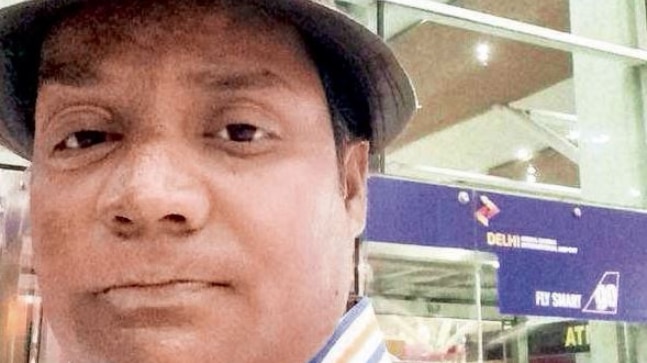
Chandrahass Mishra, a Meerut resident, was attacked with a bucket full of acid by his landlord’s son on 8th September 2011. He was attacked by his landlord’s son as Mishra allegedly tried to prevent him from molesting a woman a day before.
They had a fight after which the accused threatened him that he will not even be for to show his face in public. Mishra had suffered nearly 40 per cent burns and the worst affected areas were his face, head and hand. Mishra was a small-time businessman who had to go through several surgeries and even through treatment for reconstructing his face via plastic surgery as a result of which he had to spend Rs 30 lakhs (300K) and was forced to borrow money and take loans.
What was even worse is that he himself had to run from one place to another for nearly a period of 10 months both for getting a medical board set up for calculating compensation which would be based on the burns he suffered and for disability benefits.
“Though Supreme Court had ordered a compensation of Rs 3 lakh for all victims, the reading of the state government authorities was that only woman victims are entitled to it. In the end, after five years, in 2016 I got compensation of one lakh rupees. Again, gender discrimination,” Mishra, now a coordinator with the NGO Acid Survivors and Women Welfare Foundation, told Mail Today.
Similarly, 52% of juvenile sexual attack victims are male.
The whole nation comes to a standstill and candle marches are organised to mourn the rape and murdered of a five-year-old girl wherein the accused had inserted candles in her genitalia to stop the bleeding. It becomes a topic of discussion across the spectrum and everybody shows their agony and agitation right from the social media handles to Jantar Mantar (source).
But when a 15 years old boy is beaten up and sodomized and eventually succumbs to his injuries, no is even seen batting an eye about this ghastly incident of sexual assault on a minor who happens to be a male. His father had to dump his body as he didn’t even have enough money to perform his last rites. (source)
We believe that both cases mentioned above are brutal and should never happen in a civilised society. What pains us is the outrage (which is understandable) over sexual assault of a female toddler and utter ignorance by the very same society on the death of a teenaged boy.
Gender-related stigma to sexual assaults is such in India that our constitution does not have any specific provision to deliver justice to a male victim in the case of a sexual assault that too when it is recorded by NCRB that males are subject to sexual assaults too. India is not the only country, in this case, even a first world country, Singapore only recently brought in a law to give justice to such victims while it has been an independent nation for over half a century.
There is an abundance of fake sexual assault cases put on men by women for either financial favour or for any other reason. Men accused in this have to go through so much mental trauma and the societal pressure that many of them send up committing suicide.
Our motive behind writing this piece was, can we stop sympathizing for a particular gender while shunning and mocking their counterparts who have to go through the same amount of pain and agony? In a modern society where everyone is equal before the law, why is it that there are no constitutional remedies for male victims? Why does a society that claims to be modern and gender-neutral easily accepts these stigmas?
It’s About time that we start introspecting about the fault lines in our societies and constitutions and extensively debate and take measures to fill in those gaps.