
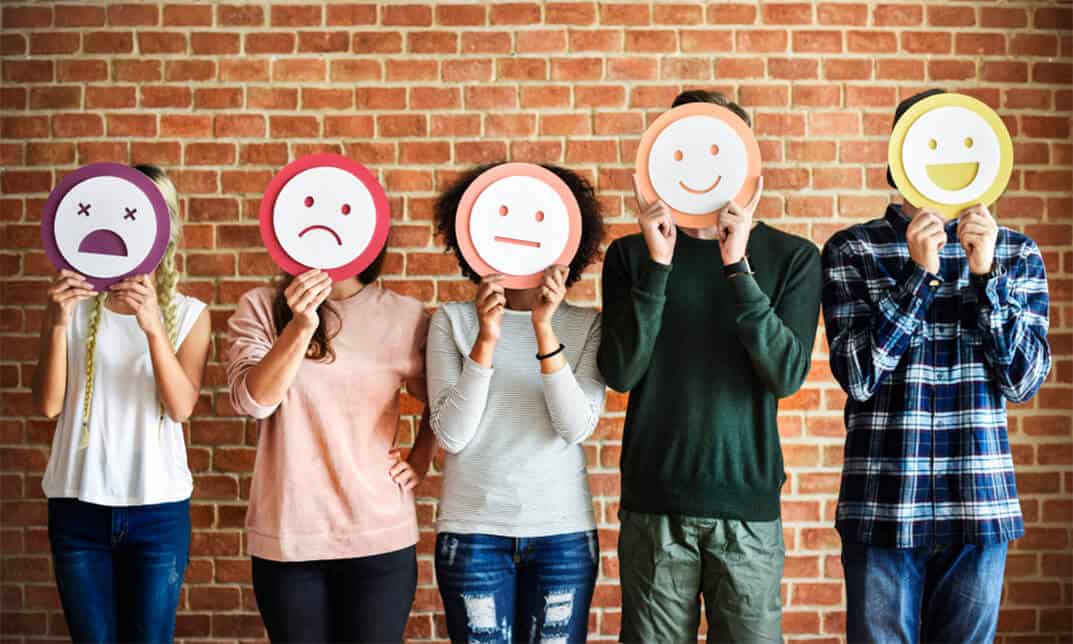
Human life is saturated with intricate and complex emotions. Each day, we spend a tremendous amount of time experiencing a range of emotions and witnessing the emotions of others, interpreting what their cues mean and determining how to respond to and deal with their and our own emotional experiences. Our emotions not only add meaning and quality to our existence, but they play a fundamental and significant role in directing and shaping our behaviour and personality. The development of emotions and learning of their expression in a reasonable way is quite essential for our own well being.
“Believe me, every heart has its secret sorrows, which the world knows not, and oftentimes we call a man cold, when he is only sad.”
— Henry Wadsworth Longfellow, Hyperion
Although emotions have a biological base, the meanings of emotions and the appropriateness of emotional expression are products of socialisation. One critically important moderator of what children learn about emotions and the appropriateness of emotional displays is gender (Parkins R, 2012). Gender differences in experiencing and expressing emotions is largely a result of the gender-stereotypic socialisation which is usually instilled in the members of culture from early childhood (Fischer A, et.al. 2004). Thus, emotions which are fundamentally neutral and are experienced by all, come to be perceived as gender-specific stereotypes. Consequently, these stereotypes provide a basis for society to determine what is and is not socially acceptable for males and females in displaying emotions.
IDENTIFYING THE STEREOTYPES
Phrases like “boys don’t cry”, “emotional women”, “man up” and the like are all examples of stereotypes associated with gender-based appropriateness of emotional expression. We are all wired into believing that women are more emotional than men, or at least are more emotionally expressive. This occurrence of women being more emotionally expressive than men is majorly a result of the early shaping of our views on emotional expressivity.
According to Denham et al. (2007), children learn about emotions through three primary modes of direct and indirect socialization:
- Witnessing others’ feelings and emotions,
- Having their emotional displays responded to and
- The ways they are taught about their feelings and emotions.
Indirect socialisation happens when children observe other family members display specific emotions. Accordingly, they gather information and internalise the level of appropriateness for specific emotions. Direct socialisation takes place through discussions on emotions parents have with their children or via parental reactions to emotions. Emotional expressions which are reinforced with warm, sensitive responses from parents and caregivers are instilled and repeated whereas emotional expressions which are accompanied by non-supportive responses are suppressed or avoided.
As a result, several studies have found that men learn to express powerful, externalizing emotions that display one’s assertiveness and power, such as anger, contempt and pride and suppress the “non-masculine” expression of sadness (Siegel & Alloy, 1990) whereas women express the powerless, internalising emotions such as happiness, embarrassment, surprise, sadness, fear, shame, and guilt which serve to imply vulnerability and maintain harmony in social relations with a minimum of overt hostility.
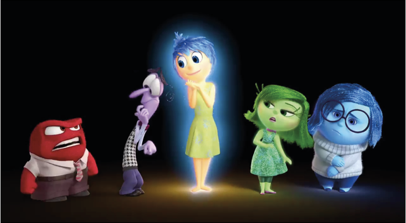
Even the highly applauded Pixar movie “Inside Out” which beautifully taught us the importance of balancing the complex emotions, portrayed certain stereotypes. Anger was shown as a man with a deep, gravelly voice, Disgust was guised as a “spoiled bratty girl”, sending strong messages about emotions in female adolescence and Sadness and Joy were personified as two distinct types of women, capturing the idea that sensitive empathy and unswerving optimism are synonymous with the female emotional condition.
These gender stereotypes associated with expression of emotions is not only restricted to face to face communication, but also social media interactions. In a study by Róisín Parkins (2012), posts, tweets and comments were analysed to examine the emotional expressivity of men and women in the realm of social networking sites such as Facebook and Twitter. It was interesting to observe that despite the relative anonymity that comes with online communication, the gender stereotypes associated with expression of emotions is still prevalent and women are the more emotionally expressive gender.
However, a study by Fabes and Martin (1991) has shown that women are perceived to express emotions more than men but that there is little difference in the perception of men and women’s emotional experience. This means that one has to consciously understand the difference between “expressing emotions” and “experiencing emotions.” This distinction is meaningful because it endorses the notion that gender stereotypes shape emotional expression.
UNDERSTANDING THE NEGATIVE CONSEQUENCES
Times and situations have changed and we now live in a world where gender roles have become overlapping and the very concept of “gender” has become more fluid. In these times inability to foster emotional diversity in children may have long-term problematic consequences.
Both men and women are subjected to norms of appropriate expression of emotions in the workplace, but women experience greater scrutiny compared to men when it comes to emotional expressions at work. While men who get angry at work are perceived as decisive and strong, women who loses their cool and act in anger are regarded unprofessional and incompetent. At the same time, when women express the stereotypical “feminine” emotions, they are judged as lacking emotional control, which again undermines their competence. Such perceptions leave women in a bind – being passive prevents them from being heard and expressing anger raises questions on their professional legitimacy. This leads to women diverting or suppressing their anger. While the former may hamper their relationships with friends, family and loved ones, the latter can make them more resentful and cause anxiety or depression.
Men, however, suffer beneath the gravity of conventional masculinity and experience greater depressive symptoms than women. Boys grow up in a world inhabited by a narrower range of emotions and the cultural pressures to act masculine may further prevent them from expressing their emotions in healthy ways. Men are taught to refrain from expressing any emotional vulnerability and are expected to show only a limited range of emotions. This process of limiting the range of men’s allowable emotional expression helps set the path towards anger and aggression. Denying emotional vulnerability makes them prone to engaging in health risk behaviours and substance abuse. While women may experience depression more than men, many men may restrict emotions and avoid the feelings associated with depression by embracing anger and resorting to physical violence. Inability to express emotions extends to the home as well where men find it difficult to share their own vulnerable emotions with partners and are less open to these experiences in their partners. Thus, emotion suppression can have detrimental effects on their physical, psychological and relational health and men may be at greater risk for stress-related cardiovascular problems in the long run.
CONCLUSION
Letting the guards down and expressing emotional vulnerability is easier said than done, but bottling up or avoiding emotions has never had a positive outcome. Thus, acknowledging and embracing the emotions, expressing them in appropriate ways and creating a safe space for others to open too are necessary for the psychological health of the individual and for the society at large.
“Life without emotions would be as calm as death, like a world without weather. Accept feelings as they are; pleasant or painful, they are natural and don’t need fixing. Let them rise and pass without allowing changeable emotions to run your life.”
— Dan Millman



Rich in literature. Also rich in exploration of new ideas and observations made. Best wishes Shatakshi.
—-Rajib uncle, Tripura. Friend of your mother’s Master degree days.
The article is described in a perfect way. It talks a lot about emotions of both the gender. This is much helpful and let people know a lot. I am really happy to read another article written by the author. Waiting to read more.